Discover Philippine UNESCO World Heritage sites and other places of outstanding cultural and natural value.
Narrow the list by UNESCO category and by region.
19 sites
UNESCO Category
Region
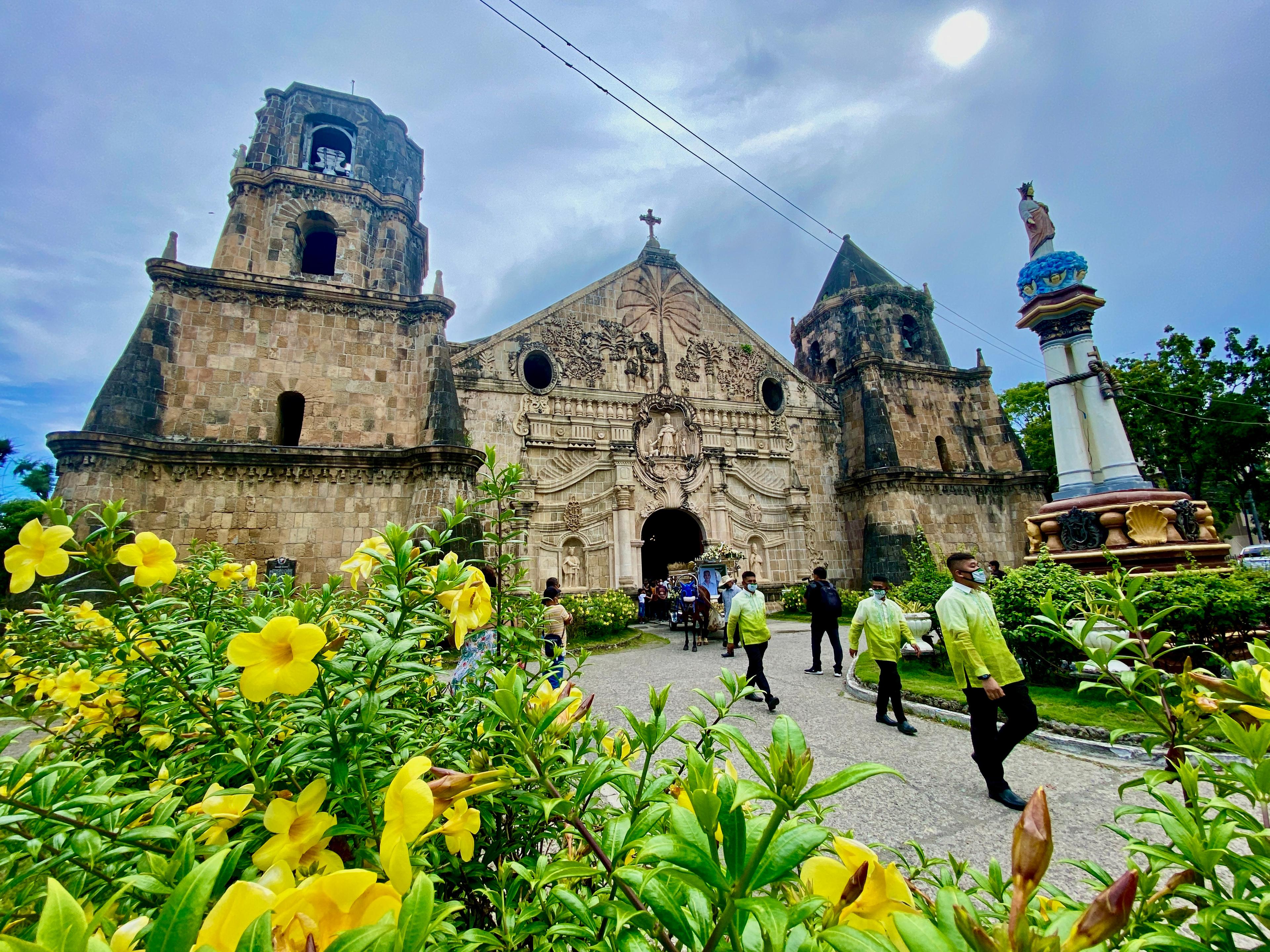
Iloilo · Western Visayas
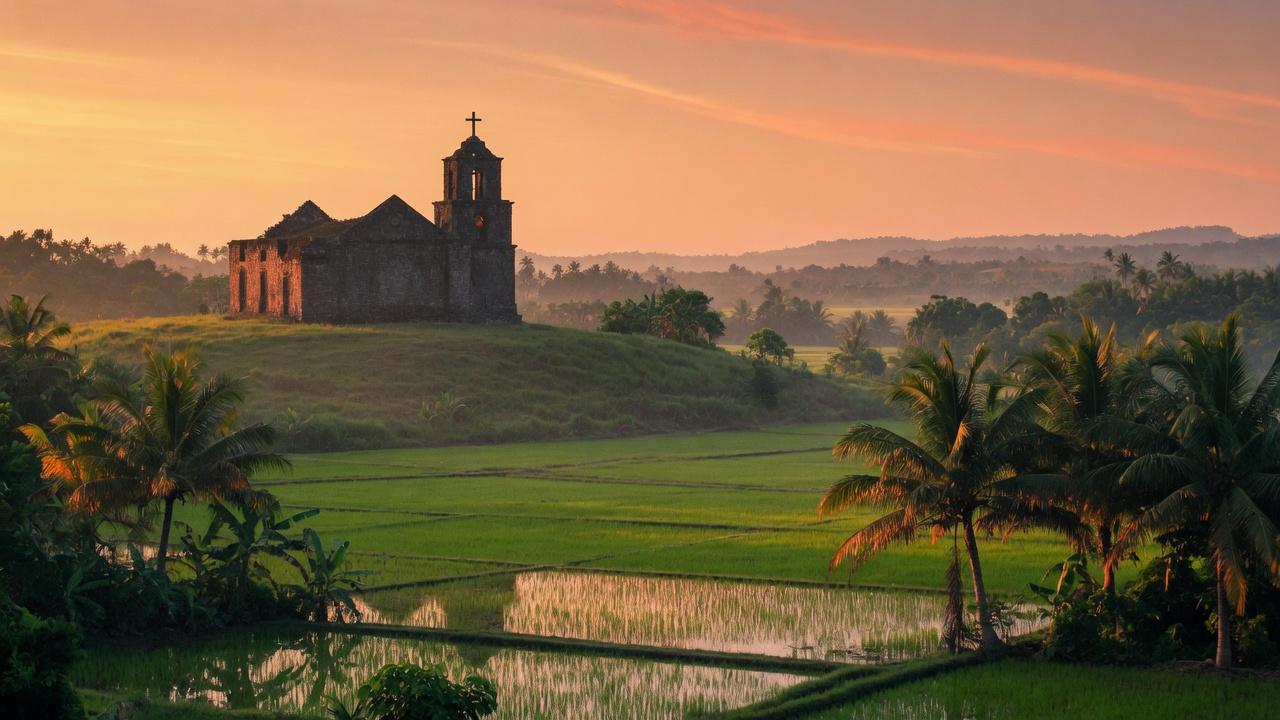
A fortress church and UNESCO World Heritage Site in Iloilo, famed for its botanical bas-relief facade.
Read about the site
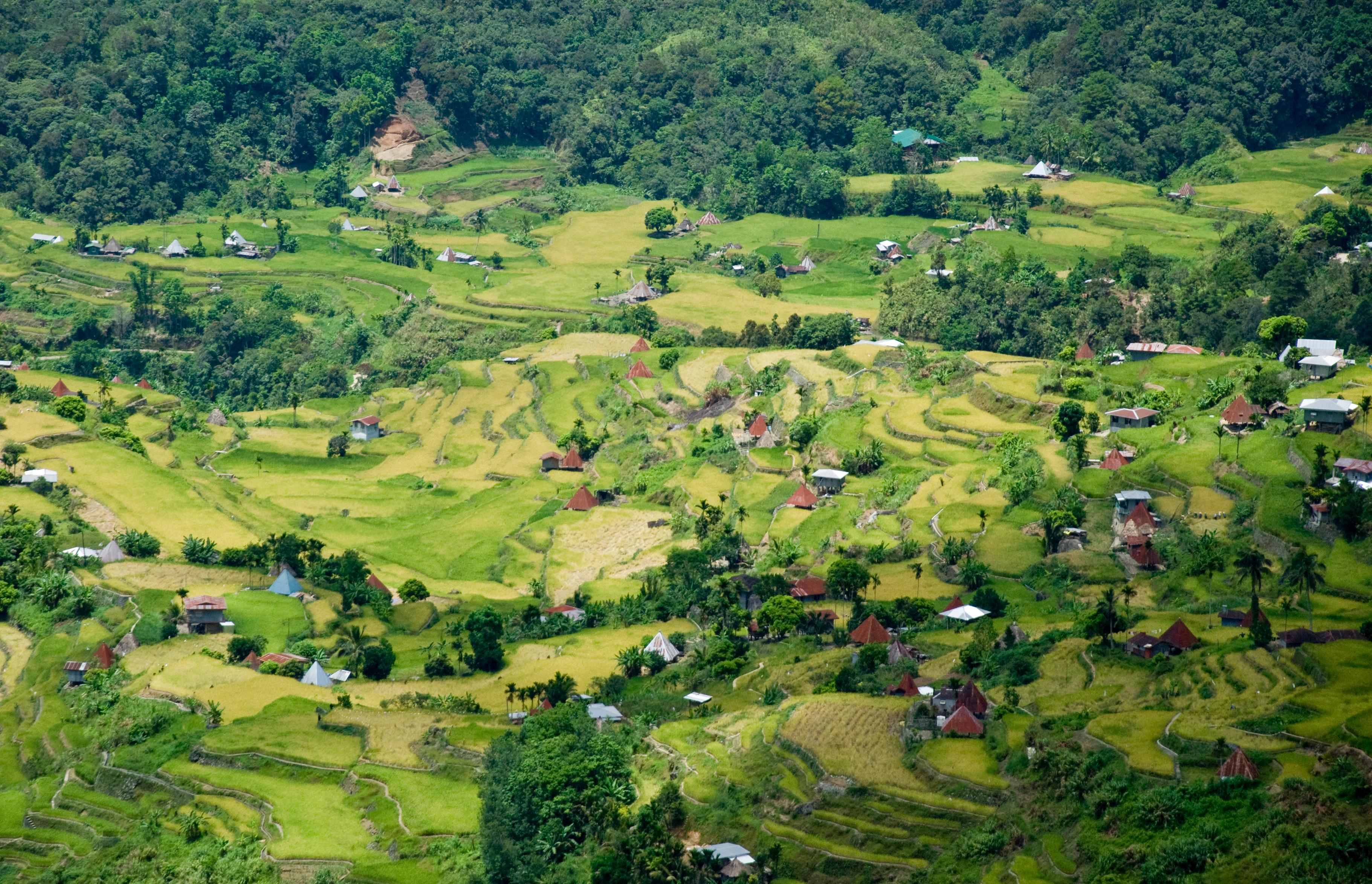
Ifugao · Cordillera Administrative Region
Living cultural landscape of highland rice terraces shaped over two millennia.
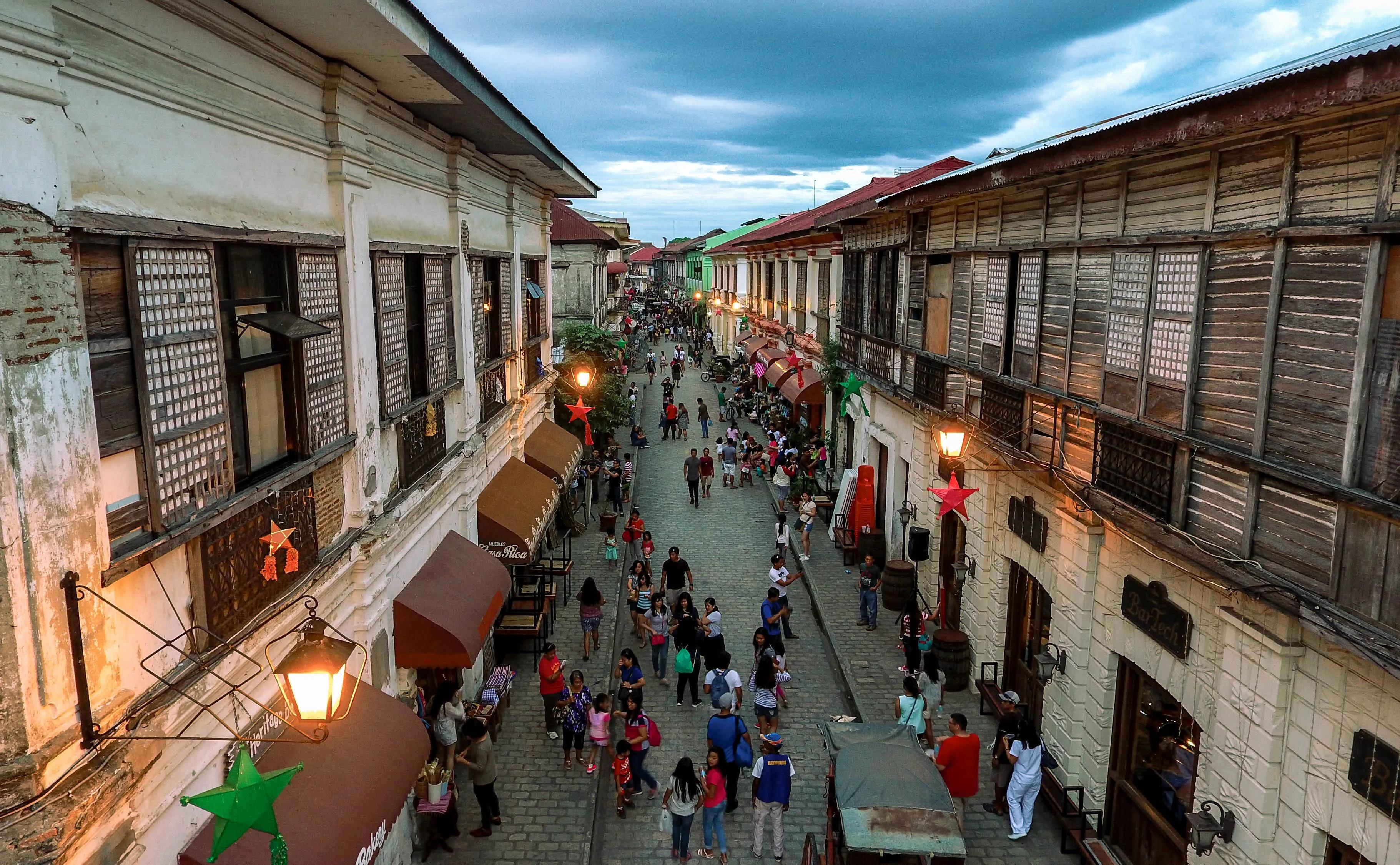
Ilocos Sur · Ilocos Region
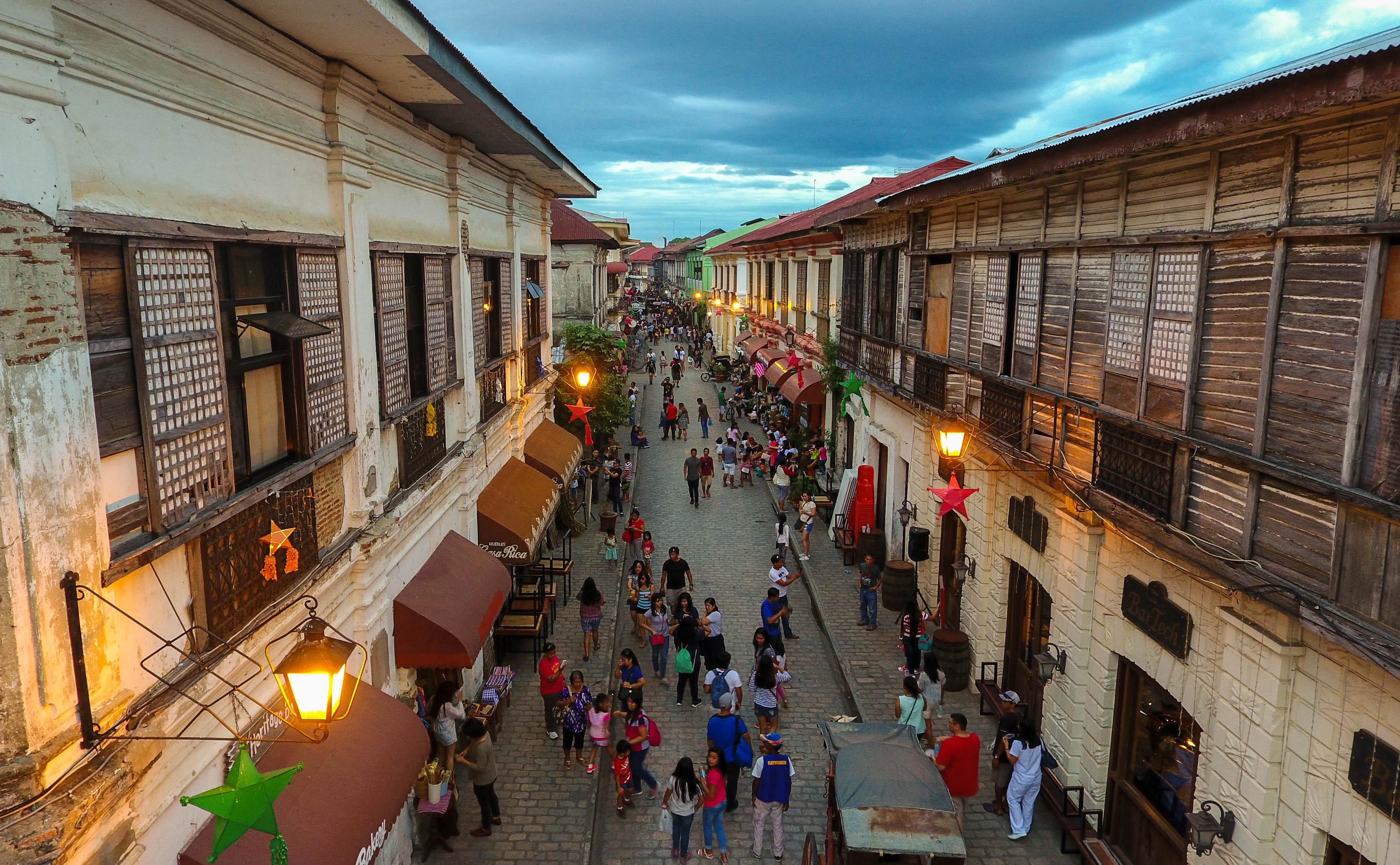
Best-preserved Spanish colonial town in Asia, with cobblestone streets and ancestral houses.
Palawan · MIMAROPA
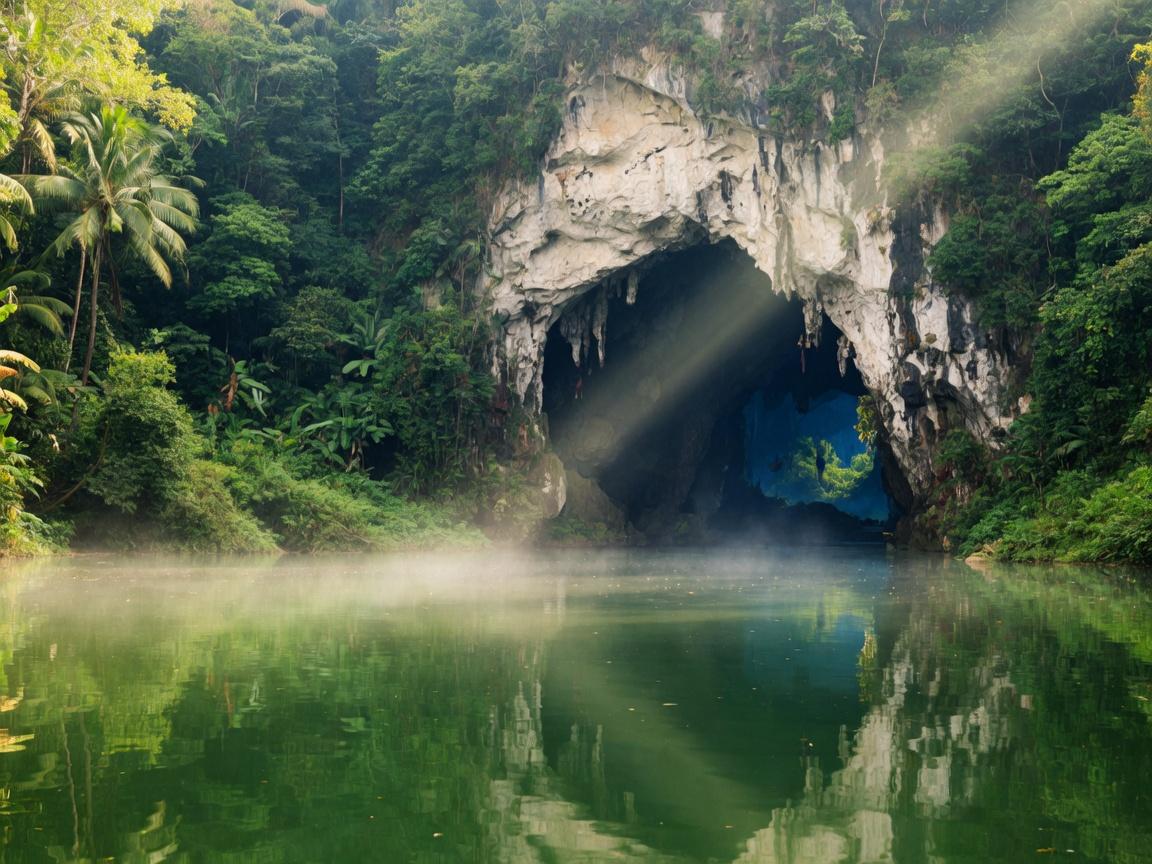
Spectacular limestone cave river system within a protected rainforest watershed.
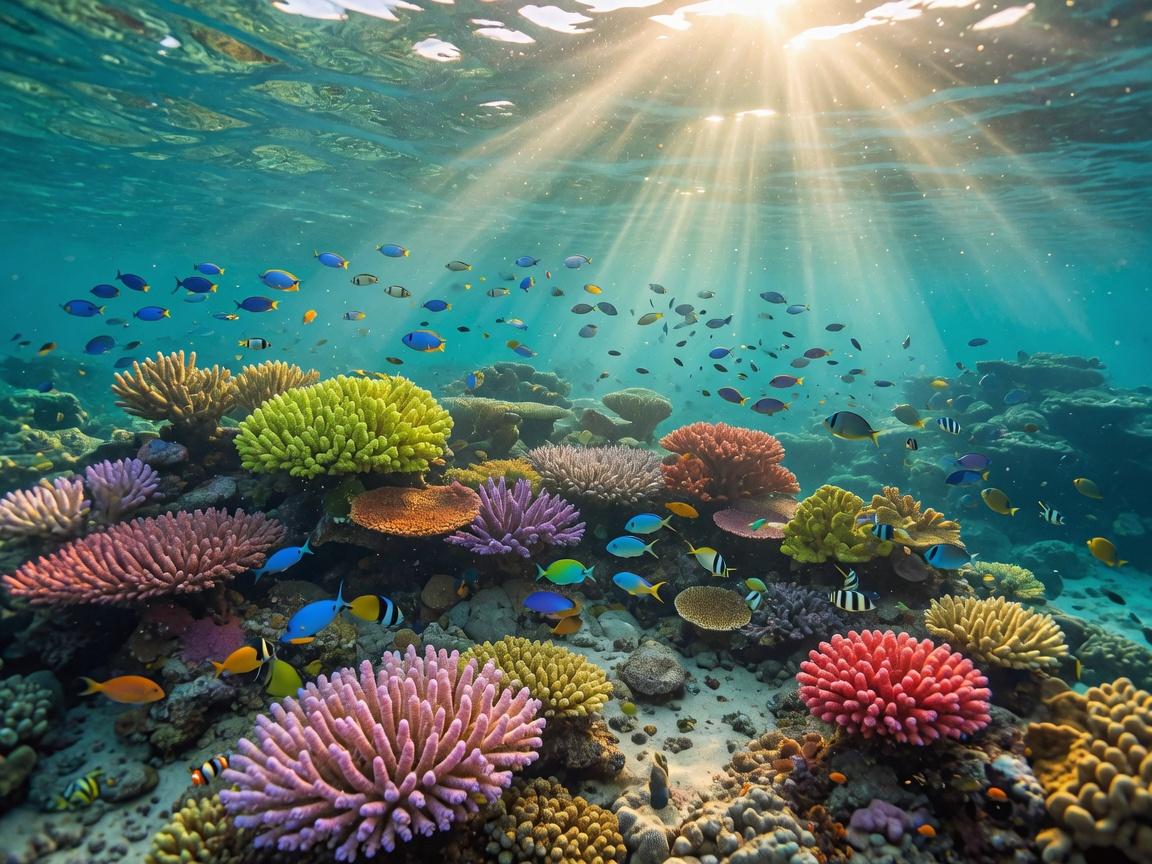
Remote UNESCO marine sanctuary in the Sulu Sea with extraordinary coral and wildlife diversity.
Location
Manila · National Capital Region
Ilocos Norte · Ilocos Region
Banaue
Designated as Creative City of Crafts and Folk Art in 2017, Baguio City initiate the development of Creative Centres dedicated to supporting crafts and folk art, offering workshops, studios, design laboratories, exhibit areas as well as open collaborative spaces for creators and the general public, thus strengthening Baguio’s creative ecosystem.
Cebu · Central Visayas
Designated as Creative City of Design in 2019, Cebu City is traditionally known for furniture, arts and crafts, and fashion design; it is generally considered to be the country’s design capital. Moreover, in recent years, Cebu has also become a global hub for multimedia arts and IT outsourcing. In 2008, Cebu was designated a British Council Creative City of Design and was the ASEAN City of Culture in 2015.
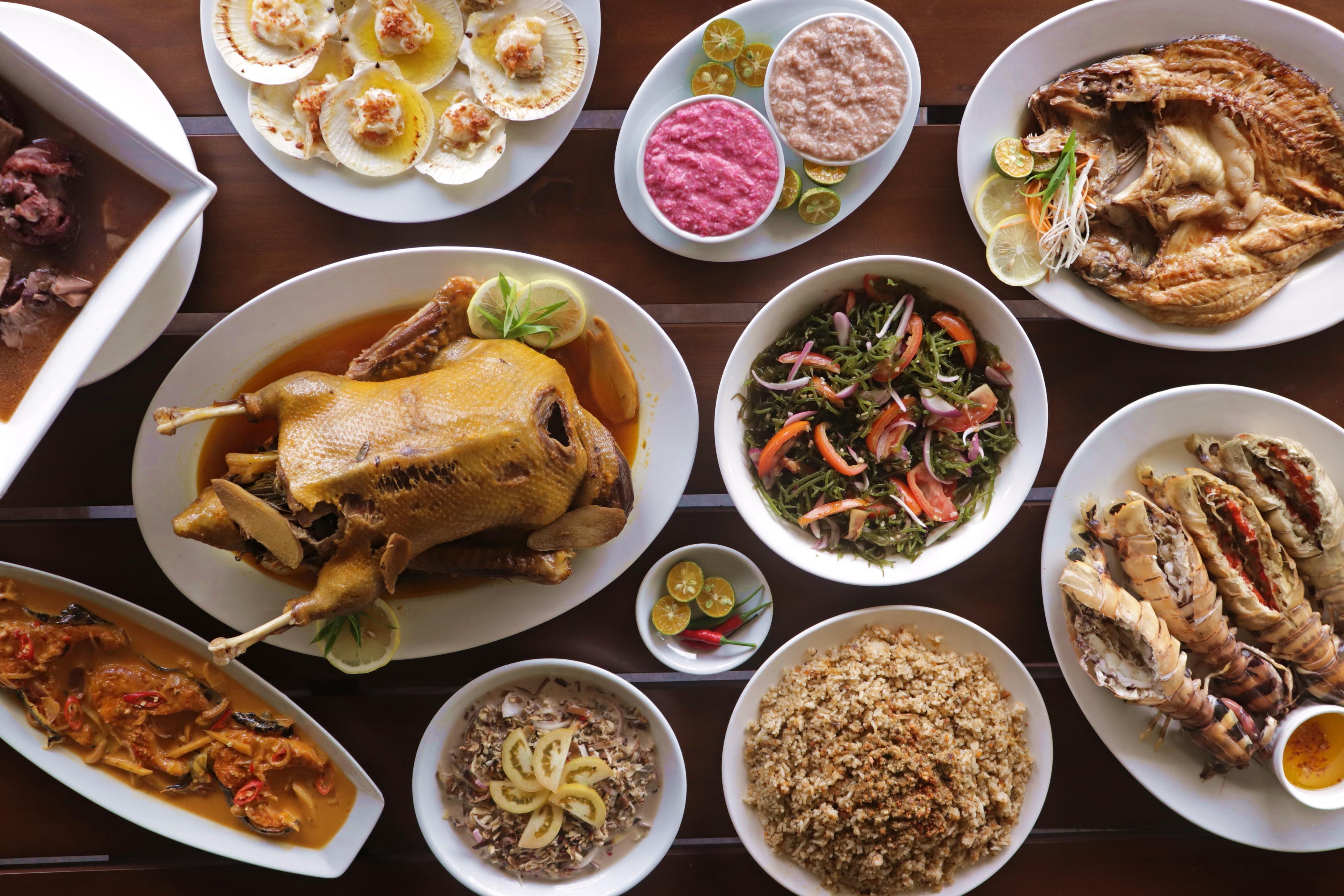
Designated as Creative City of Gastronomy in 2023, Iloilo has a long-standing gastronomic tradition rooted in its inhabitants’ way of life and in the local culture of the “fiesta” and its festive banquets. The city actively supports its food industry in the belief that it is instrumental for its urban development.
Designated as Creative City of Literature in 2025, Dumaguete is renowned for the Silliman University National Writers Workshop, and celebrates festivals such as the DumaLit Festival. The city sustains a dynamic literary ecosystem that drives both its cultural and creative heritage with the support of the publishers, writers, and educators.
Designated as Creative City of Film in 2025, Quezon City is home to the country’s movie production companies and media networks, earning the nickname “City of the Stars”. The city upholds its mandate to prioritize film workers’ safety in accordance with the Eddie Garcia Law and hosts the Quezon City International Film Festival to promote the creative freedom of the film workers.